
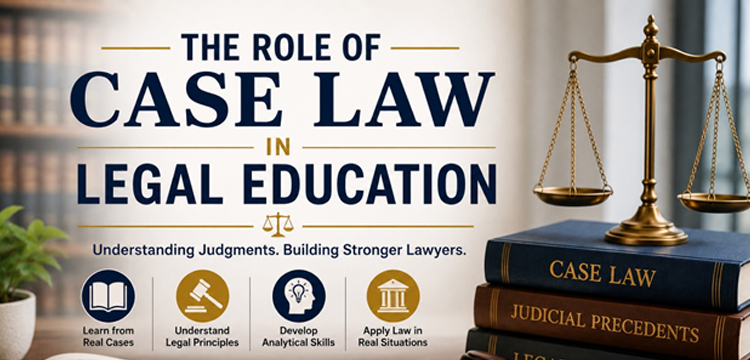
Case law plays a central role in legal education and is one of the most important subjects PrepLaw students must understand early in their academic journey. In many legal systems, court decisions help shape and interpret the law, making case law an essential source of legal authority. For law students, learning how to read, analyze, and apply judicial decisions is a critical step toward developing strong legal reasoning and analytical skills.
Case law refers to legal principles established through decisions made by judges in courts. When courts resolve disputes, their judgments often create precedents that guide future decisions in similar cases. This principle, commonly known as precedent or stare decisis, ensures consistency and fairness within the legal system. PrepLaw students must understand how earlier judgments influence later cases and how courts interpret statutes through judicial reasoning.
Studying case law helps students move beyond theoretical definitions and understand how legal principles work in real-life situations. Court judgments provide practical examples of how judges analyze facts, interpret legislation, and apply legal rules to resolve disputes. By examining these decisions, students gain insight into legal reasoning, argument structure, and the importance of evidence in judicial outcomes.
One of the most valuable benefits of studying case law is the development of analytical thinking. Legal cases often involve complex facts, multiple legal issues, and competing arguments. Students learn how to identify key issues, distinguish relevant facts, and understand the reasoning behind judicial decisions. This process improves problem-solving skills and prepares students for scenario-based examinations commonly used in legal education.
Reading case law can initially feel challenging for many students because judicial opinions often contain technical language and lengthy discussions. However, regular practice helps students become more comfortable with legal terminology and court structures. Learning how to brief cases, summarize judgments, and identify legal principles can make the process more manageable and improve comprehension over time.
Case law also strengthens legal writing and argumentation skills. In law school, students are expected to support their answers with legal authority, and judicial decisions provide strong support for legal arguments. Understanding how to reference and apply relevant precedents allows students to write more persuasive and logically structured responses.
For PrepLaw students, mastering case law is essential for long-term academic and professional success. It not only improves legal understanding but also develops the analytical mindset required in the legal profession. By studying judicial decisions carefully and consistently, students can build a stronger foundation in legal reasoning and prepare themselves for the demands of advanced legal education and future legal careers.